Wasatha: Complete Guide to Balance, Moderation, and Justice in Modern Life
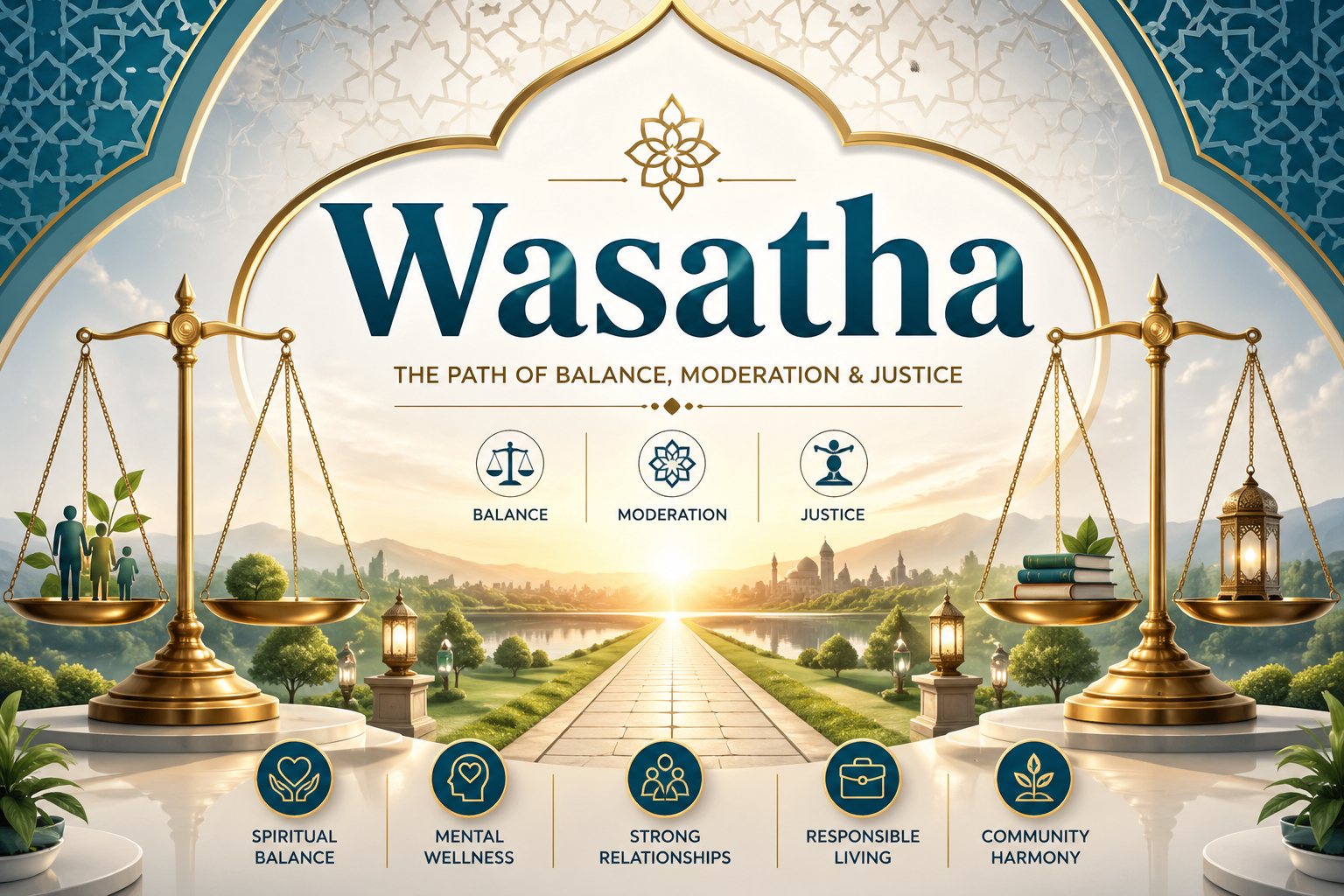
In a world often shaped by extremes, the concept of wasatha offers a timeless framework for living with balance, fairness, and wisdom. Rooted in Arabic and deeply connected to Islamic teachings, wasatha represents the “middle path” — a lifestyle that avoids excess and deficiency while promoting justice, ethical behavior, and harmony. More than a religious principle, wasatha is a practical philosophy that applies to personal development, family relationships, leadership, education, social systems, and global coexistence. As societies face growing polarization, stress, and moral confusion, understanding wasatha can help individuals and communities embrace moderation, thoughtful decision-making, and sustainable success.
Understanding the Meaning of Wasatha
The word wasatha comes from the Arabic root wasat, meaning middle, center, or balanced position. Linguistically, it refers to something situated between two extremes, but its deeper significance extends into morality, justice, and excellence. In many Islamic contexts, the middle is considered not merely average, but the best and most stable position.
Wasatha emphasizes moderation without weakness and discipline without harshness. It encourages individuals to avoid fanaticism, negligence, and imbalance in every aspect of life. Rather than compromise values, wasatha promotes wise proportionality, ensuring actions align with fairness, responsibility, and ethical principles.
This concept has become increasingly relevant in modern society, where excessive consumerism, ideological polarization, and emotional burnout are common. Wasatha provides a sustainable alternative by encouraging thoughtful living rooted in self-control and equilibrium.
The Quranic Foundation of Wasatha
Wasatha holds profound significance in Islamic theology, particularly through Surah Al-Baqarah (2:143), where Muslims are described as “ummatan wasatan” — a balanced or just community. This designation establishes moderation and justice as central qualities of the Muslim identity.
The verse highlights the responsibility of believers to serve as witnesses to humanity by embodying ethical leadership, fairness, and balanced conduct. Wasatha in this context is not passive neutrality; it is active moral responsibility.
Islamic scholars interpret this principle as guidance for worship, governance, social justice, and interpersonal relationships. It encourages believers to maintain a healthy balance between worldly responsibilities and spiritual obligations, ensuring neither is neglected.
Through this Quranic lens, wasatha becomes a comprehensive way of life rather than a narrow theological term.
Core Principles of Wasatha
Several essential values define the philosophy of wasatha:
| Principle | Meaning | Practical Application |
|---|---|---|
| Balance | Harmony between extremes | Work-life balance, emotional regulation |
| Justice | Fairness and uprightness | Ethical decisions, social equality |
| Moderation | Avoiding excess | Spending habits, consumption, worship |
| Wisdom | Sound judgment | Leadership, conflict resolution |
| Responsibility | Accountability | Family, career, society |
These principles work together to create a stable and ethical framework for life. Wasatha encourages disciplined freedom — the ability to pursue goals responsibly without destructive excess.
This balanced approach supports both individual growth and community well-being.
Wasatha in Daily Personal Life
Applying wasatha personally involves managing one’s physical, emotional, spiritual, and intellectual needs with balance. For example, it means pursuing career goals without sacrificing health or family, and practicing faith without neglecting practical responsibilities.
In self-care, wasatha discourages both overindulgence and harmful deprivation. Balanced nutrition, regular exercise, proper rest, and mindful reflection all align with this philosophy.
Emotionally, wasatha teaches moderation in anger, desire, and fear. Instead of suppressing emotions entirely or acting impulsively, individuals are encouraged to cultivate self-control and wisdom.
This personal equilibrium contributes to resilience, mental clarity, and sustainable happiness.
Wasatha and Spiritual Moderation
Spirituality under wasatha promotes devotion while discouraging extremism. Islam emphasizes consistent worship, sincerity, and discipline without excessive hardship or neglect.
For instance, regular prayer, fasting, charity, and remembrance are encouraged, but self-imposed burdens beyond one’s capacity are discouraged. Prophet Muhammad’s teachings often highlighted balance in worship practices.
This spiritual moderation helps individuals maintain long-term faith commitment while avoiding burnout or rigidity.
Wasatha also promotes humility, compassion, and tolerance, ensuring spiritual growth positively impacts relationships and society.
Social Harmony Through Wasatha
In society, wasatha serves as a foundation for peaceful coexistence. It promotes dialogue over hostility, justice over oppression, and cooperation over division.
Communities practicing wasatha value tolerance, mutual respect, and balanced governance. This approach is especially important in multicultural societies where ideological or religious tensions can escalate.
Social applications of wasatha include:
- Fair legal systems
- Responsible leadership
- Respectful interfaith dialogue
- Economic justice
- Community service
By prioritizing balance and fairness, societies can reduce conflict and foster unity.
Wasatha in Family Relationships
Family life thrives when guided by moderation and justice. Wasatha encourages balanced roles, mutual respect, and compassionate communication between spouses, parents, and children.
Excessive authoritarianism or complete neglect both undermine family stability. Instead, wasatha supports responsible parenting, emotional intelligence, and equitable partnerships.
Key family values influenced by wasatha include:
- Balanced discipline
- Emotional support
- Financial responsibility
- Shared responsibilities
- Respectful communication
This framework strengthens trust and long-term family cohesion.
Wasatha in Leadership and Governance
Effective leadership requires balance between authority and compassion, decisiveness and consultation. Wasatha provides ethical guidance for political, organizational, and community leaders.
Leaders practicing wasatha prioritize justice, accountability, and public welfare rather than personal gain or ideological extremism.
| Leadership Quality | Extreme to Avoid | Wasatha Approach |
|---|---|---|
| Authority | Tyranny | Responsible governance |
| Flexibility | Weakness | Strategic adaptability |
| Justice | Bias | Fair policy |
| Vision | Idealism without practicality | Balanced progress |
This leadership philosophy promotes sustainable institutions and trust.
Economic Balance and Ethical Finance
Wasatha also extends into economic systems by advocating responsible wealth management, ethical commerce, and social responsibility.
It discourages both reckless extravagance and harmful miserliness. Instead, wealth should be used productively while supporting charitable and communal obligations.
In practical terms, economic wasatha includes:
- Responsible budgeting
- Ethical investment
- Fair trade
- Charity (zakat/sadaqah)
- Sustainable consumption
This balanced economic model can reduce inequality while promoting prosperity.
Wasatha in Education
Education rooted in wasatha balances intellectual excellence with moral development. It values critical thinking, practical skills, ethical behavior, and spiritual awareness.
Students are encouraged to pursue knowledge without arrogance and ambition without unethical shortcuts.
A wasatha-based educational system develops:
- Academic competence
- Ethical reasoning
- Social awareness
- Emotional intelligence
- Responsible citizenship
Such balanced education prepares individuals for meaningful contributions to society.
Wasatha and Mental Health
Modern mental health challenges often stem from imbalance — overwork, emotional suppression, or excessive stimulation. Wasatha offers preventive guidance through moderation, mindfulness, and healthy boundaries.
Balanced living can improve:
- Stress management
- Emotional regulation
- Work-life harmony
- Spiritual grounding
- Social connection
By integrating physical, emotional, and spiritual wellness, wasatha supports holistic mental resilience.
Common Misunderstandings About Wasatha
Some mistakenly interpret wasatha as compromise, passivity, or indecision. In reality, it requires active discernment and principled judgment.
Wasatha does not mean abandoning truth for convenience. Rather, it means pursuing justice and wisdom proportionately.
Misunderstandings include:
- Confusing moderation with weakness
- Assuming neutrality in moral issues
- Viewing balance as lack of conviction
True wasatha requires strength, integrity, and thoughtful action.
Challenges to Practicing Wasatha Today
Modern life presents obstacles such as social media polarization, materialism, ideological extremism, and rapid technological change.
These pressures can push individuals toward unhealthy extremes in thought and behavior.
Challenges include:
- Information overload
- Consumer culture
- Political division
- Religious extremism
- Burnout
Practicing wasatha requires conscious discipline and intentional living.
Practical Steps to Live by Wasatha
To integrate wasatha into everyday life:
- Set balanced goals
- Practice mindful decision-making
- Regulate emotions
- Maintain ethical integrity
- Prioritize justice
- Balance work, worship, and leisure
- Seek continuous learning
Consistency in small actions often leads to profound personal transformation.
The Global Relevance of Wasatha
Beyond Islamic contexts, wasatha resonates universally as a philosophy of moderation, justice, and balanced human flourishing.
In global discussions about sustainability, ethics, governance, and mental health, wasatha offers valuable principles for addressing contemporary crises.
Its emphasis on proportionality and fairness makes it relevant across cultures, professions, and belief systems.
Conclusion
Wasatha is far more than a theological concept; it is a comprehensive philosophy for achieving harmony in personal life, family relationships, leadership, economics, education, and society. By embracing moderation, justice, and balance, individuals can navigate modern challenges with wisdom and integrity. In a world increasingly defined by extremes, wasatha remains a timeless guide toward sustainable success, ethical living, and meaningful coexistence.
FAQs
What does wasatha mean?
Wasatha means balance, moderation, justice, and the middle path between extremes.
Is wasatha only an Islamic concept?
While rooted in Islamic teachings, its principles of balance and fairness have universal relevance.
How can wasatha improve daily life?
It promotes healthier decisions, emotional regulation, ethical behavior, and balanced priorities.
Does wasatha mean compromise?
No, it means proportionate and wise action rooted in justice.
Why is wasatha important today?
It helps counter extremism, burnout, social division, and imbalance in modern society.